


Artificial intelligence, sunscreen science and inflammatory skin disease will drive discussion as about 1800 delegates gather in Melbourne.
Artificial intelligence, sunscreen science, hidradenitis suppurativa and a growing Asia-Pacific collaboration are among the many big discussions at this year’s Australasian College of Dermatologists Annual Scientific Meeting.
Organiser say the ASM, to be held this weekend at the Melbourne Convention and Exhibition Centre, is on track to become the largest in the conference’s history.
About 1800 delegates, more than 70 exhibitors and a broad mix of dermatologists, nurses, registrars, practice managers, patient groups and industry representatives from around Australia and the world are expected to attend the packed three-day meeting.
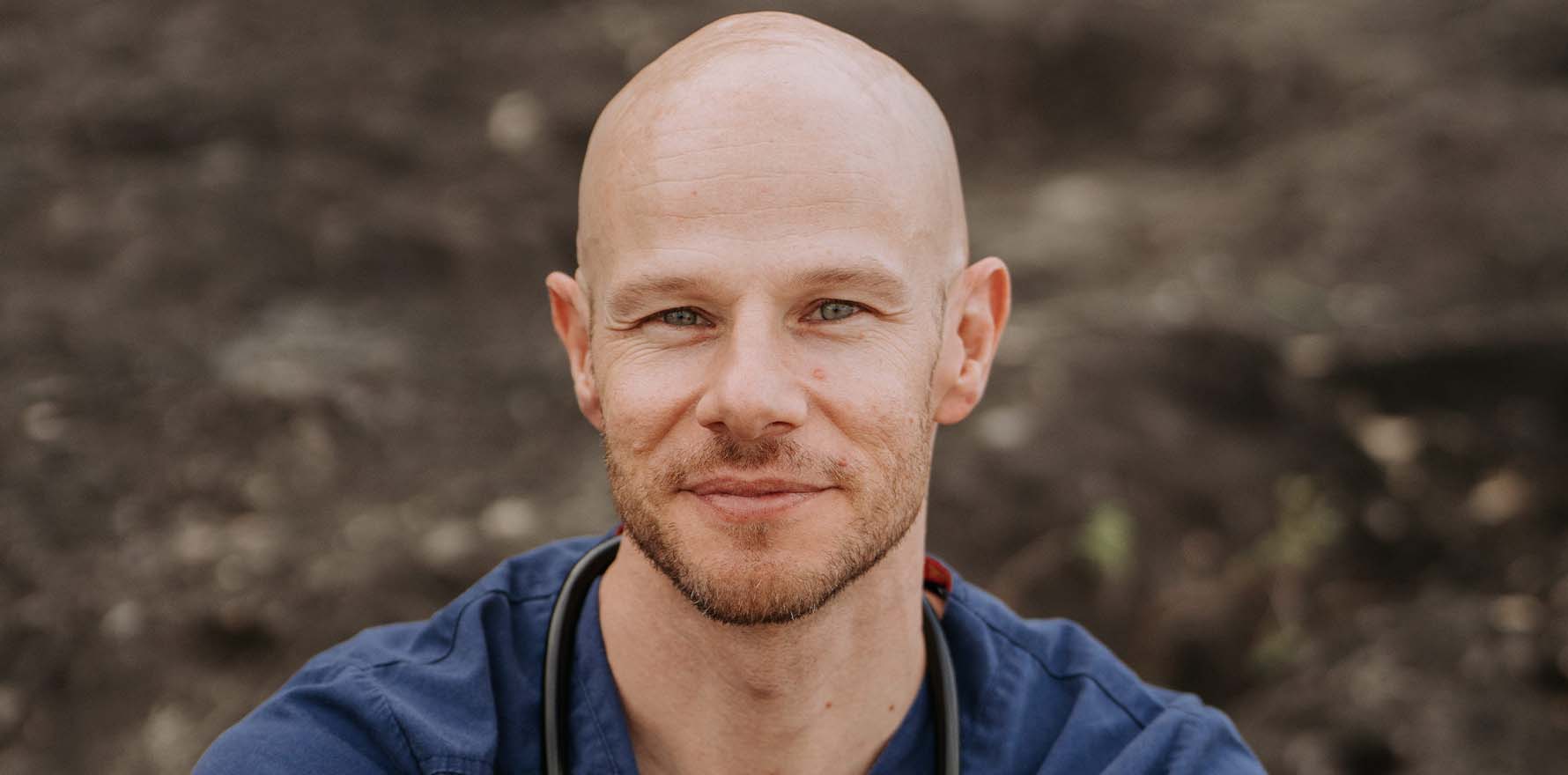
Dr Aaron Boyce, co-chair of ACD’s Meeting and Events Oversight Group, told Dermatology Republic the scale of the meeting reflected both the rapid evolution of dermatology and the increasingly international focus of the specialty.
“It’s pretty exciting – this is on track to be a cracker,” he said.
“We’ve got 1800 delegates registered, this is going to be our biggest ever. It’s basically the full ecosystem community of dermatology coming together – dermatologists, dermatology nurses, registrars [and] practice managers.
“And as you’d expect from an ASM, [we’re] covering basically as much as we can of the full spectrum of dermatology in pretty three incredibly busy days.”
Dr Boyce said one of the “most exciting” major features of the meeting would be the rekindling of ties between the Australasian College of Dermatologists and the Japanese Dermatological Association, which stalled during the covid pandemic.
Japanese delegates will be contributing to a dedicated symposium at the ASM as part of a broader push to strengthen the meeting’s Asia-Pacific identity.
“We really see the future of this meeting as a meeting for the Australian dermatology society or community, but also that we would love to be welcoming more of our colleagues from around the region too,” said Dr Boyce.
Speakers from Japan, Singapore, Taiwan and South Africa are among the international faculty, including keynote speakers Professor Ncoza Dlova from the University of KwaZulu-Natal; Professor Manabu Fujimoto, from Osaka University; Dr Hassan Galadari, from United Arab Emirates University; Professor Shinichi Imafuku, from the Fukuoka University Faculty of Medicine; Professor Eric Lan, from Kaohsiung Medical University Hospital; Associate Professor Lee Haur Yueh, from Singapore General Hospital & DUKE-NUS Medical School; and Professor Henry Lim, from the International League of Dermatological Societies.
They will be joined by an impressive line-up of Australian experts including keynote speakers Professor Ingrid Winship, Associate Professor Zongyuan Ge, Professor Miles Prince, Associate Professor Adriene Lee, Associate Professor Adrian Mar and Dr Belinda Welsh.
Dr Boyce said the program had been designed to cater to the full breadth of the specialty, from cosmetic and surgical dermatology to medical dermatology and inflammatory skin disease.
“There really is something for everybody,” he said.
Among the new additions this year is a dedicated photoprotection stream, reflecting heightened scrutiny of sunscreen science and regulation over the past 12 to 18 months.
International League of Dermatological Societies chair Professor Henry Lim will headline that discussion, while other high-interest sessions are expected to focus on atopic dermatitis and hidradenitis suppurativa (HS).
“The HS and atopic dermatitis sessions are just moving at the moment,” Dr Boyce said.
“It was literally standing room only in the symposium last year.”
He said awareness of HS had shifted substantially in recent years, alongside changing perceptions of the disease.
“People used to hear all the things in the past about hygiene and various other things,” he said.
“I think knowledge of the condition and what causes it – thinking about it as an inflammatory process – is definitely making progress, and with that the new therapeutics that are coming through, we’re better able to treat this condition than we ever have before.”
Artificial intelligence will also feature prominently throughout the program, including a keynote presentation on next-generation foundation models in dermatology from Professor Ge.
“I think clinicians and industry as well … we’re all figuring it out,” Dr Boyce said.
“The opportunities are enormous, but occasionally pausing just to assess things and reassess is always a good idea.”
Despite the growth of online education, Dr Boyce said the social and networking elements of conferences remained critical to the specialty.
“The social events really are what makes it,” he said.
“There’s so much online content now – you really have to get people together to realise the full benefit of our meetings.”
Related


The meeting will conclude with the increasingly popular “Tips, Tricks and Pearls” session, designed to deliver practical insights clinicians can immediately apply in practice.
“This is something that we’ve done for the last couple of meetings, it’s incredibly popular,” Dr Boyce told DR.
“So this year we will have Adrian Mar, Adriene Lee and Belinda Welsh, each giving us their tips, tricks and pearls. So the kind of stuff that you just can’t get from a textbook that a career in dermatology will tech you. So that’s pretty unique.”
Dr Boyce said he hoped delegates would leave the ASM with “actionable” things they could put into practice.
“We want people to come away from the meeting and say, ‘I’m going to do that when I’m back in my clinic next week’,” he said.
For more information about the ACD ASM, see here.
