

Australian dermatology’s flagship meeting surges past 1300 delegates ahead of the annual gathering in Melbourne next month.
With just a month to go until the Australasian College of Dermatology’s annual scientific meeting, all signs are pointing to a record-breaking attendance.
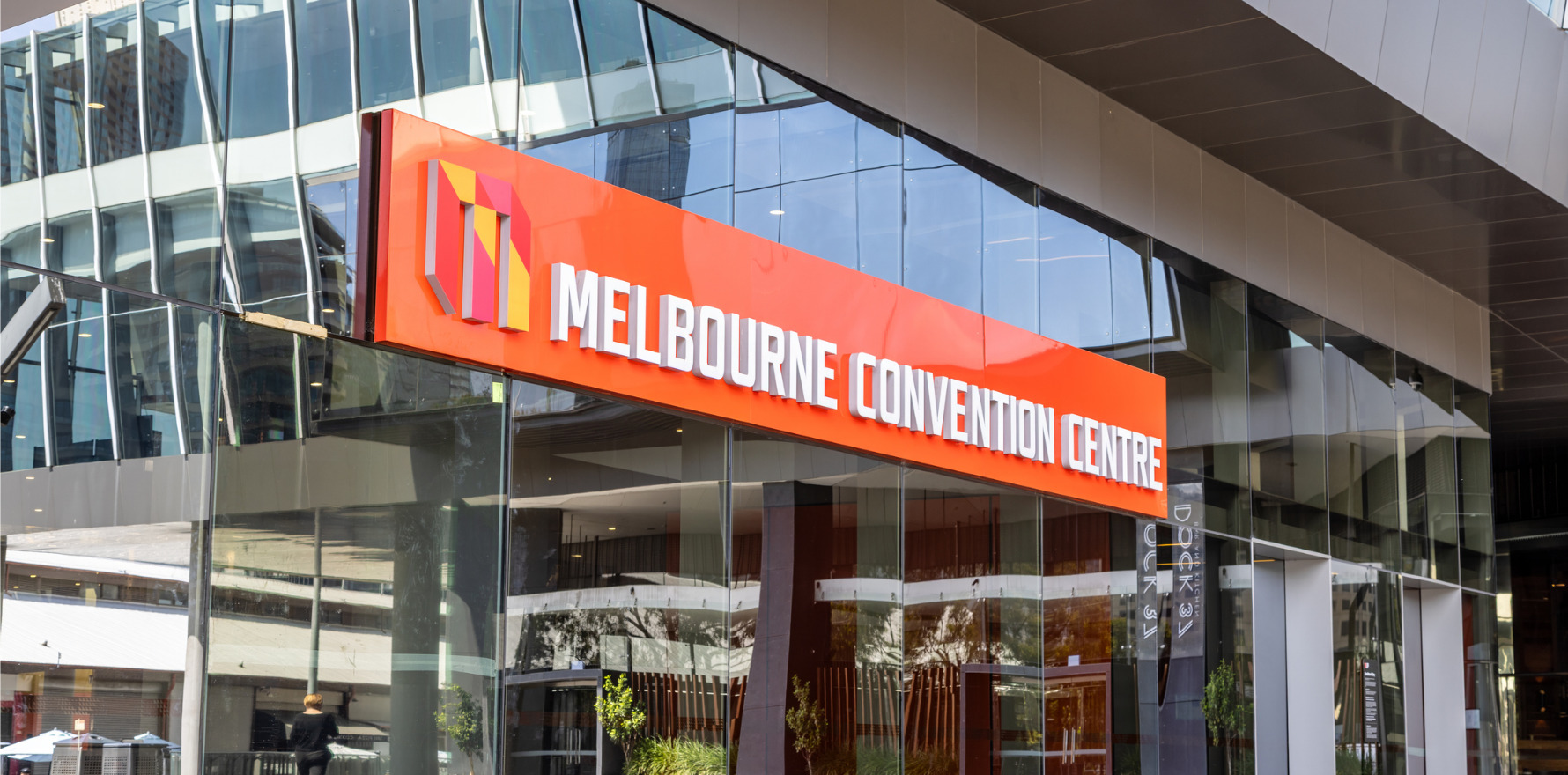
More than 1300 delegates have already registered for the ACD’s ASM 58, to be held from 16-18 May at the Melbourne Convention and Exhibition Centre.
The surge positions this year’s ASM as the largest in the college’s history, underscoring strong demand for high-quality clinical education, collaboration and connection across the dermatology community.
The program that spans the full breadth of dermatology, pairing cutting-edge research and clinical insight with hands-on workshops designed to sharpen practice and deepen expertise.
College president Dr Adrian Lim described the lead-up as the busiest and most rewarding time of the year, with ASM remaining a cornerstone event on the professional calendar.
He said this year’s ASM promised to be “a sensational meeting”.
“This year’s program will cover medical and surgical dermatology, through to cosmetic and laser dermatology,” he said.
“It promises to be amazing, sensational, and there are also key issues being discussed, for example the sustainability of healthcare, including microplastics and its effect on health and skin.
“This is not just a meeting – it’s an event, where the college, all fellows come together and we move forward together.”
Beyond the lecture halls, ASM 58 is bringing together a broad ecosystem that includes patient support groups, industry representatives and dedicated streams for registrars, practice managers and dermatology nurses.
The aim is to foster collaboration and spark forward-looking conversations that extend well beyond the three-day program.
At the centre of the exhibition floor, a newly reimagined Engagement Hub will act as a focal point for connection and wellbeing.
Delegates will be able to meet support organisations, explore the wider impacts of chronic skin conditions and access services ranging from physiotherapy to professional coaching, alongside guidance on continuing professional development tracking.
Related



Organisers are also promising a distinctly Melbourne-inspired feature designed to draw crowds and capture a lighter side of the meeting.
Professional development takes a practical turn with a CPD session tackling real-world challenges, including the evolving role of niacinamide in skin cancer risk management and shifting expectations around sunscreen regulation and communication.
The session brings together clinical, research and regulatory perspectives while addressing professionalism, ethical practice and the responsibilities of clinicians as active bystanders in an increasingly public digital landscape.
Sustainability is another focus, with organisers leveraging the venue’s EarthCheck Platinum credentials to reduce the meeting’s environmental footprint.
Initiatives include plant-forward catering on “Sustainability Sunday”, water refill stations and a push for delegates to adopt reusable materials and low-impact transport options.
International collaboration returns to the spotlight in 2026 with the renewal of ties with the Japanese Dermatological Association. Visiting faculty will include Manabu Fujimoto and Shinichi Imafuku, adding global perspective to a program already rich in local expertise.
With registrations still open and anticipation building, organisers have encouraged delegates to share their involvement and help amplify the event’s reach.
For more information and the full program see here.
