


The TGA and CMO warn of serious adverse effects from various untested and counterfeit products that are circulating.
Concern continues to grow over unregulated peptides in Australia.
According to the joint statement from the Therapeutic Goods Administration (TGA) and Chief Medical Officer (CMO), it’s not just the growing availability and promotion of these products that are worsening fears.
Reports received by the TGA and hospitalisation data across the country have begun to paint a picture of the serious adverse effects associated with the use of products containing BPC‑157, GHK‑Cu, TB‑500, retatrutide, and CJC‑1295.
These include liver damage, severe allergic reactions requiring hospitalisation and “inflammation and other health complications requiring medical attention”, according to the statement.
While more specific data have not been released, the Victorian Department of Health issued a health alert on the same day. It identified six cases of acute liver injury in the state this year from people using products labelled specifically as retatrutide, reta, R-10, or R-20.
“Investigation results include abnormal liver function tests showing transaminitis with possible raised bilirubin and coagulopathy,” it read.
The alert advised any users of these products who develop unusual or concerning symptoms – particularly tiredness, abdominal pain, itchy skin, dark urine, yellow eyes or skin, or easy bruising – to seek prompt medical attention.
Health professionals should be on the lookout for patients with abnormal liver function tests or signs of acute liver injury and query unapproved peptide use.
“Consider asking any patients about their use of online products including peptides,” the alert advised.
“Collect specific information about the product including the name, advertised ingredients, recommended and actual dose taken and place of purchase.”
The alert also asked for a sample or photos of the product and packaging to be obtained wherever possible and advised contacting the Poisons Information Centre for clinical and testing advice.
Related
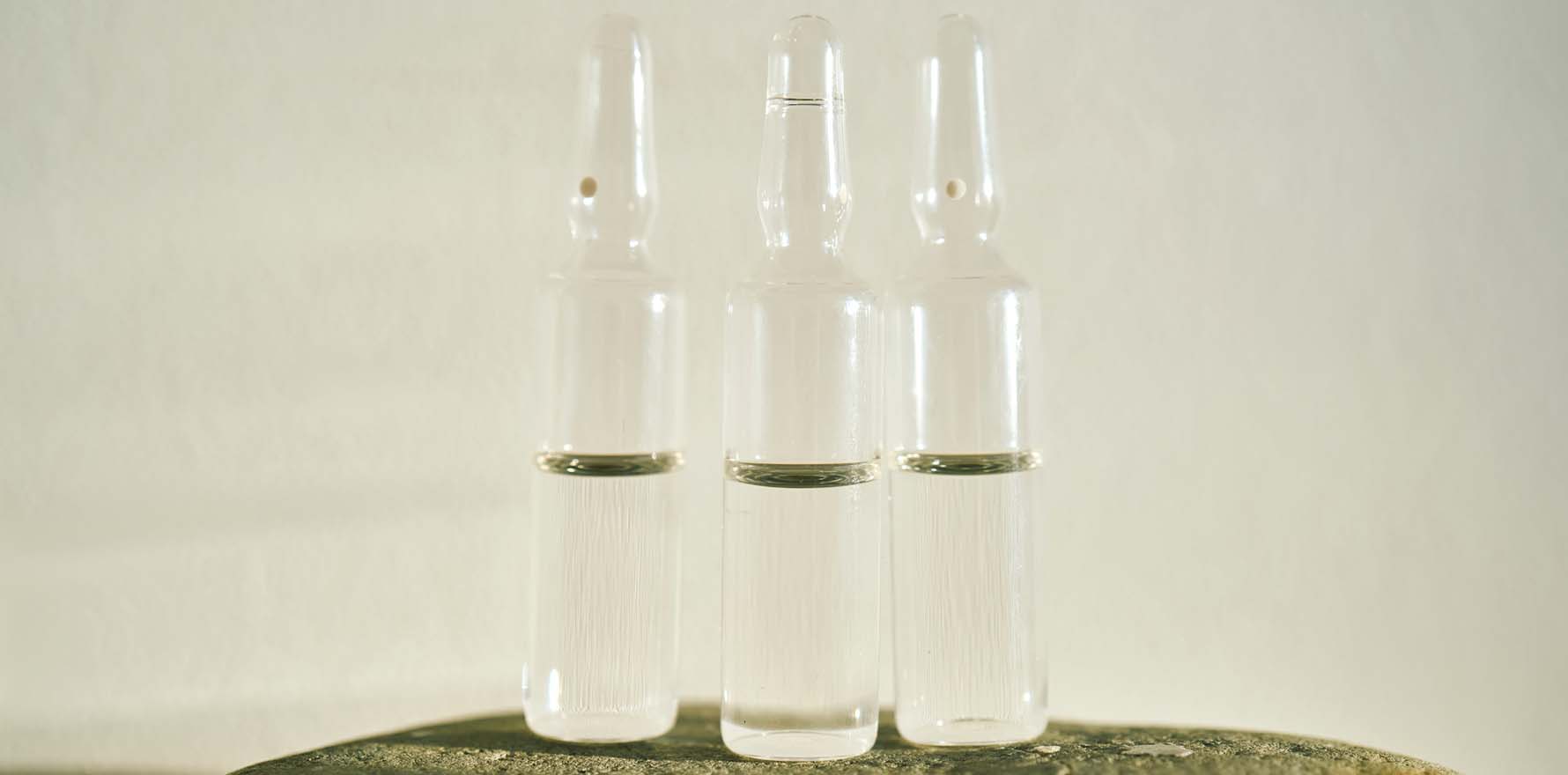


It is not known how these unapproved peptides are manufactured, the safety standards or testing (if any), sterility of the products and production conditions, how the peptides themselves act within the human body, and the nature, frequency, and severity of side effects. There are also counterfeit products in circulation.
“Counterfeit products are often deliberately designed to mimic genuine medicines, making it difficult for consumers to identify unsafe or potentially harmful goods,” the TGA stated.
“Many of these products are supplied as powders or injections in poorly labelled or unmarked vials, making it difficult or impossible to verify their ingredients, or the safety of how they have been manufactured.
“This further presents significant risks to consumer safety, including potential contamination, dosing uncertainty, and exposure to unknown or harmful substances.”
The TGA said it was aware that imports and online promotion for unapproved peptides have increased, contributing to the growth in popularity and emergence of potential harms, and investigations continue.
