

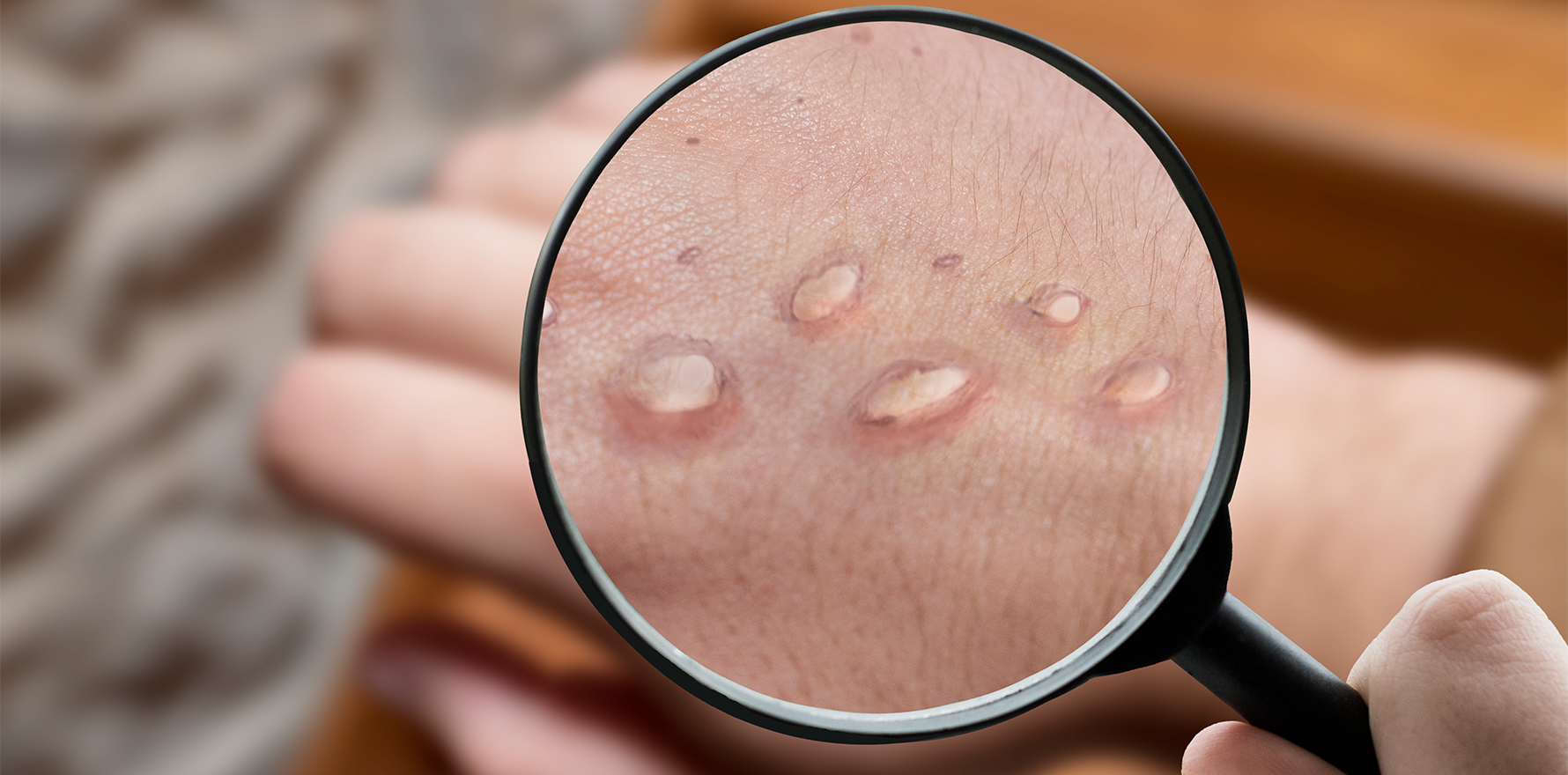
Victoria has issued a fresh mpox alert after 52 cases were reported in just six weeks, with GPs urged to test symptomatic sexually active patients regardless of vaccination, travel history, or sexual orientation.
Mpox cases are rising in Victoria, prompting a warning from the state’s Chief Health Officer to the community and health professionals.
Victoria has recorded 52 cases since 1 August, according to an advisory issued on 14 September by CHO Dr Caroline McElnay.
Her alert urges clinicians to consider mpox in any sexually active patient with compatible symptoms, irrespective of their sexual orientation, vaccination status, or travel history.
Clinicians have also been warned that vaccination does not rule out infection, and that vaccinated patients who develop mpox may present with milder or atypical symptoms.
“Cases are rising in Victoria” and several strains of monkeypox virus are circulating internationally, the Department of Health said.
Mpox most commonly affects men who have sex with men in Australia, particularly people with multiple or casual sexual partners and those having sex at venues, events or, in group settings.
But the department stressed that anyone exposed to the virus could become infected.
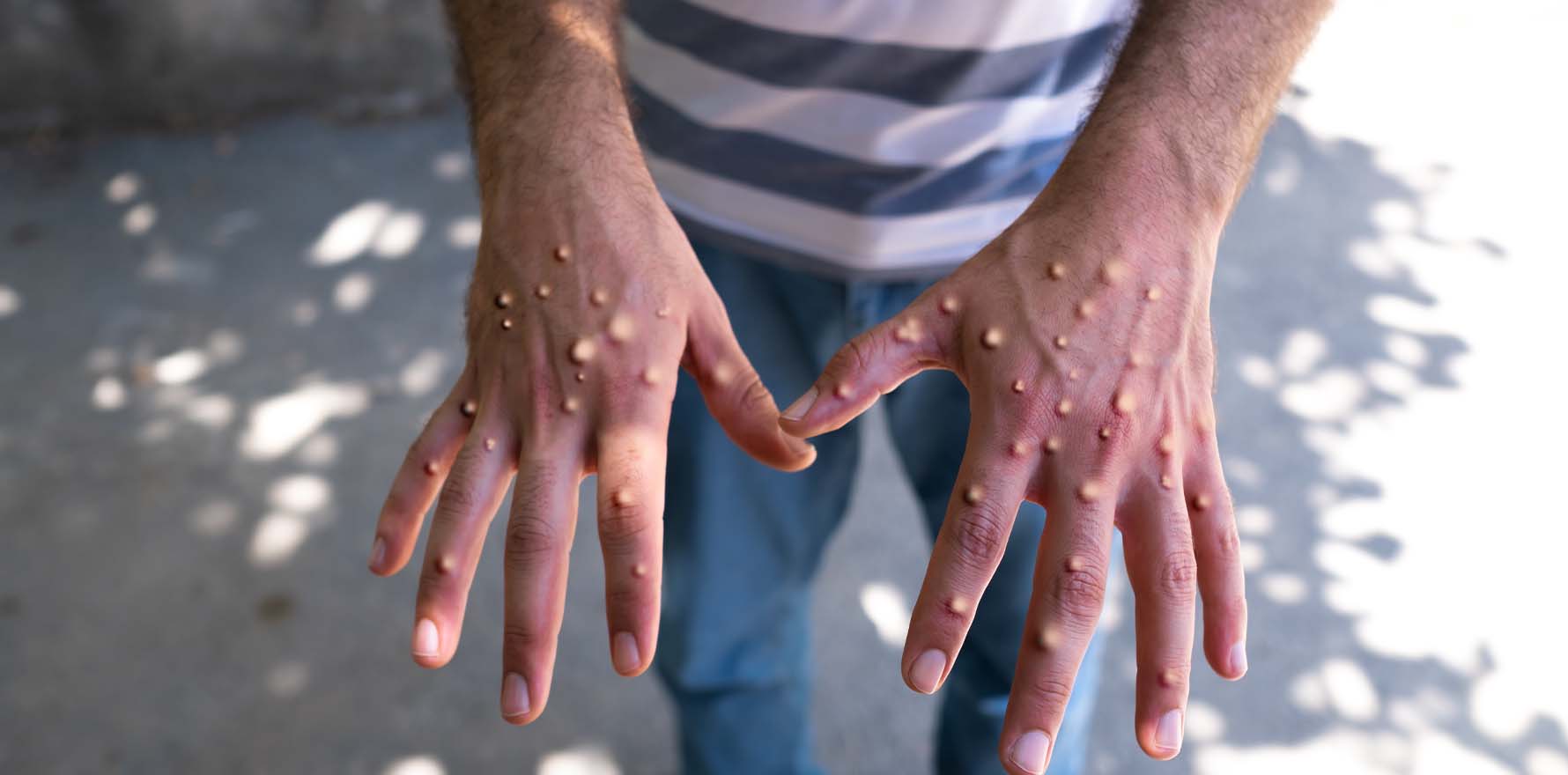
Symptoms can include fever, swollen lymph nodes, sore throat, fatigue, and muscle aches, followed by a rash or skin lesions that may occur anywhere on the body, including genital, rectal and oral areas.
Genital or rectal pain can also occur, along with pain on urination or passing stools and gastrointestinal symptoms. Symptoms may develop up to 21 days after exposure.
Most infections are mild and resolve within a few weeks, although immunocompromised people, children, and pregnant women are at greater risk of severe disease.
The Victorian alert comes as mpox transmission continues globally.
The latest WHO situation report, published on 14 September, assessed the overall global public health risk from the multi-country outbreak as “moderate” and said the outbreak remained a graded emergency. More than 1000 confirmed cases continue to be reported each month.
Globally, 32 countries reported 1370 confirmed cases and seven deaths in July, with almost three-quarters of infections reported in the WHO African Region. Madagascar recorded 703 cases that month, followed by Angola with 138, China with 88, the Democratic Republic of the Congo with 85, and Kenya with 55.
The WHO has also documented the continuing international spread of clade Ib. Community transmission outside Central and East Africa has been reported in Czechia, France, Germany, Ireland, Italy, the Netherlands, Portugal, Switzerland, and the UK, including within sexual networks of men who have sex with men and sex workers.
The WHO’s latest rapid risk assessment rates the global risk as moderate for people with multiple sexual partners, while the risk for all other individuals is considered low.
“Overall, mpox continues to occur in all WHO regions and poses distinct risks across different population groups and settings,” it concluded in the latest assessment report.
“Sustained transmission of this emerging and evolving orthopoxvirus continues, posing health risks for vulnerable individuals in all settings. While response capacity has continued to improve since the declaration of the second public health emergency of international concern (PHEIC), it remains uneven and highly resource-dependent.
“The transition to longer-term disease prevention and control is still at an early stage and limited resources in several countries might erode the gains of the last four years. The overall public health risk at the global level is therefore assessed as moderate.”
Victorian clinicians have been asked to advise patients with suspected mpox to cover lesions and limit close contact while awaiting results.
Related


Suspected and confirmed cases must be notified to the Department of Health and the relevant Local Public Health Unit as soon as practicable and within 24 hours.
GPs should also offer free vaccination to eligible patients at increased risk and check whether those previously vaccinated have received both doses.
The department said two doses offered the best protection and urged eligible people who had received only one dose to complete the course.
The Victorian alert came a week after Queensland Health issued an alert about two epidemiologically linked mpox cases that had been notified in early September.
And in July, the Western Australia Department of Health urged the community to be aware of the signs and symptoms of mpox after a spike in cases this year.
Director of the WA Communicable Disease Control Directorate, Dr Paul Armstrong, said awareness, using condoms, early testing and vaccination remained the best ways to limit the spread of mpox.
“While most infections continue to occur in specific higher-risk groups, mpox can affect anyone who has close physical contact with an infected person,” Dr Armstrong said.
“It’s important that anyone who develops symptoms, particularly an unexplained rash or skin lesions, seeks medical advice promptly and avoids close contact with others until they have been assessed.
“We are encouraging people who are eligible for vaccination to ensure they are fully protected by receiving both doses of the vaccine.”
Mpox vaccination is available free of charge to eligible people across Western Australia.
According to the Australian Centre for Disease Control’s National Communicable Disease Surveillance Dashboard, national cases are already higher in 2026 (240) than for the whole of 2025 (228). Numbers peaked at 1410 in 2024.
So far this year (as of 15 September), Victoria has the bulk of confirmed notifications (119), followed by NSW (67), Western Australia (39), Queensland (nine), and South Australia (six). Tasmania, the Northern Territory, and the ACT have not recorded any cases so far in 2026.
