

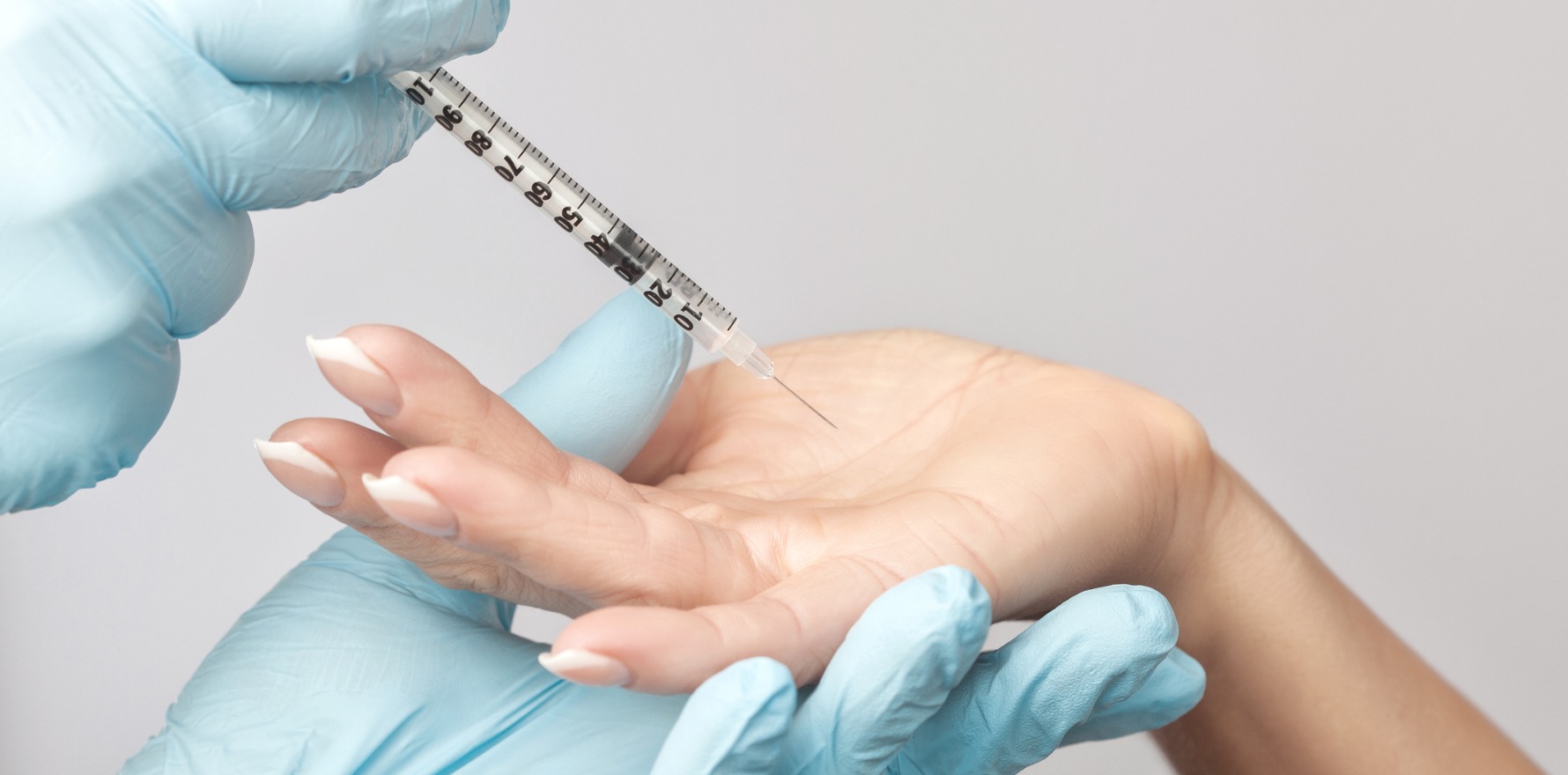
With the right formulation and a little bit of laser therapy, needle-free administration of botulinum toxin is possible.
Trypanophobics who want or need Botox can rest easy.
While speaking to delegates at the Australasian Society for Cosmetic and Procedural Dermatologists Symposium in Melbourne last month, Professor Rungsima Wanitphakdeedecha, a dermatologist and dermatologic surgeon from Thailand, made the ironic admission that she, like many other individuals, is scared of needles.
Luckily for Professor Wanitphakdeedecha, there is an alternative: topical preparations of the botulinum toxin, which have a small enough molecular weight that can penetrate the skin and exert its effects without requiring an injection.
One challenging aspect of using an injection-free approach is the thickness of the skin where the toxin will be applied. For example, it can be painful to have needles injected in the axilla, palms of your hands or soles of your feet to treat hyperhidrosis, but these areas often have thicker skin, making it harder for the topical toxin to be absorbed.
However, Professor Wanitphakdeedecha and other researchers have found another solution: using lasers, like fractional CO2 lasers, to penetrate the skin and make it easier for the toxin to do its thing.
Professor Wanitphakdeedecha presented the findings of a case series she had been involved in that used the combination of fractional CO2 lasers and topically applied botulinum toxin to treat palmar hyperhidrosis on one hand. The other hand did not receive any treatment.
Related


Three female patients aged 23-45 years received two batches of laser and topical botulinum treatment, with sweating severity assessed by Minor’s iodine starch test before treatment, two weeks after the first treatment and one, two and three months following the final treatment. The patients also rated the clinical severity of their hyperhidrosis on a 0-10 visual analogue scale at the same timepoints.
The treated palms showed an average 51.6% reduction in sweat production after the first treatment, which peaked at 88.5% one month after the final treatment had concluded before falling to 67.8% and 52.9% at two and three months, respectively. For comparison, the untreated palms showed a 2% reduction in mean sweat production relative to baseline at all follow-up time points.
A similar pattern occurred for the self-reported VAS data. The mean decrease in VAS score for the treated palms compared to baseline was 54.1% after the first treatment, 83.4% one month after the final treatment, 58.4% at two months and 4.1% at the three-month mark.
“We demonstrate that fractional CO2 laser is a minimally invasive tool that enhances [botulinum toxin] delivery for the treatment of hyperhidrosis,” Professor Wanitphakdeedecha and her colleagues concluded in the article.
“However, the antihidrotic effect following fractional CO2 laser-assisted [botulinum toxin] delivery in this study significantly declines at three months post-treatment. Further randomised controlled studies are necessary to optimise the antihidrotic effect and extend the therapeutic longevity of this treatment.”
The 2026 ASCPD Symposium was held in Melbourne from 20 to 22 March.
