


Australian research suggests only half of Australians living with excessive or abnormal sweating have discussed their condition with a healthcare professional.
As many as one in five Australians could be affected by hyperhidrosis – but roughly a third of these individuals have been prescribed a treatment for their condition.
That’s according to a recent study exploring the prevalence, clinical characteristics, and healthcare utilisation of Australians affected by excessive or abnormal sweating.
“We aimed to determine the prevalence of self-reported hyperhidrosis in a large sample of non-healthcare seeking Australian adults,” the researchers wrote in the Australasian Journal of Dermatology.
“Secondary objectives were demographic and clinical features, disease severity, patterns of healthcare utilisation and treatment use, and independent predictors of hyperhidrosis, severe disease and healthcare consultation.”
A pair of New South Wales-based clinician-researchers recruited 3000 Australians as part of a cross-section, population-based online survey. Participants aged ≥18 years were recruited via an online market research panel.
Importantly, the specific topic of the survey was not revealed until participants had completed a screening and allocation process.
One hundred and fifty-six of the 3000 participants (5.2%, 83 females, mean age 34 years) reported excessive or abnormal levels of sweating (determined via a direct yes/no question) and went on to provide additional details regarding their sweating.
The median age of symptom onset was 16 years, with 41% of respondents with excessive or abnormal sweating reporting that their symptoms began before their fourteenth birthday.
Almost two-thirds of respondents (61%) indicated that they experienced excessive or abnormal sweating on a daily basis, with a further 25% reporting this happened several times per week. Most patients (65%) had severe disease (i.e. a Hyperhidrosis Disease Severity Scale score of 3 or 4, meaning their sweating was barely tolerable/intolerable and frequently or always interfered with their daily activities).
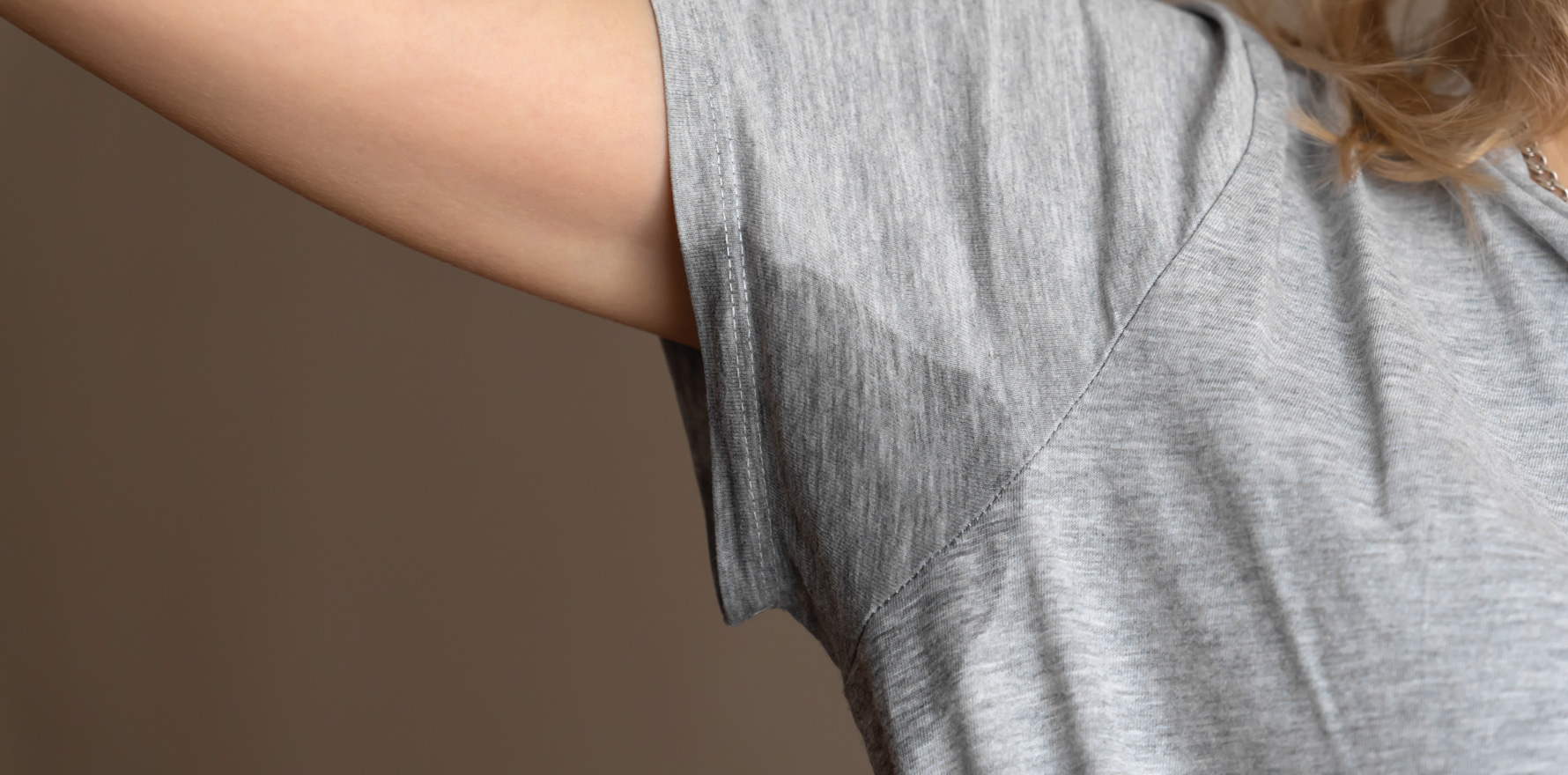
The most common anatomical site affected by hyperhidrosis was the axilla (68% of participants), although palmar (41%), plantar (38%), and craniofacial sweating (26%) were also common. More than half of the individuals affected by excessive or abnormal sweating reported their sweating only occurred at one body site (61%), with decreasing amounts reporting a greater number of affected sites (30% for two sites, 7% for three sites, and 2% for four sites).
The researchers said these findings were consistent with the clinical phenotype of primary focal hyperhidrosis, and that the reported prevalence was similar to that of other population-based studies undertaken in North America and Europe.
“Prevalence differences are likely attributable to variations in sampling methodology, diagnostic definitions and study design.,” they said.
“Several earlier studies relied on physician diagnosis or self-reported hyperhidrosis, which may underestimate prevalence by failing to capture individuals who experience excessive sweating but have not sought medical assessment or a formal diagnosis.
“Our population-based approach identified excessive sweating directly from respondents, including those who had not previously considered their symptoms to represent a medical condition.”
Forty-nine percent of participants had consulted a healthcare professional regarding their sweating; with 27% reporting they had been formally diagnosed with hyperhidrosis. When respondents with severe disease were considered, 47% had sought medical attention and 82% of participants who sought medical attention had been diagnosed.
Related

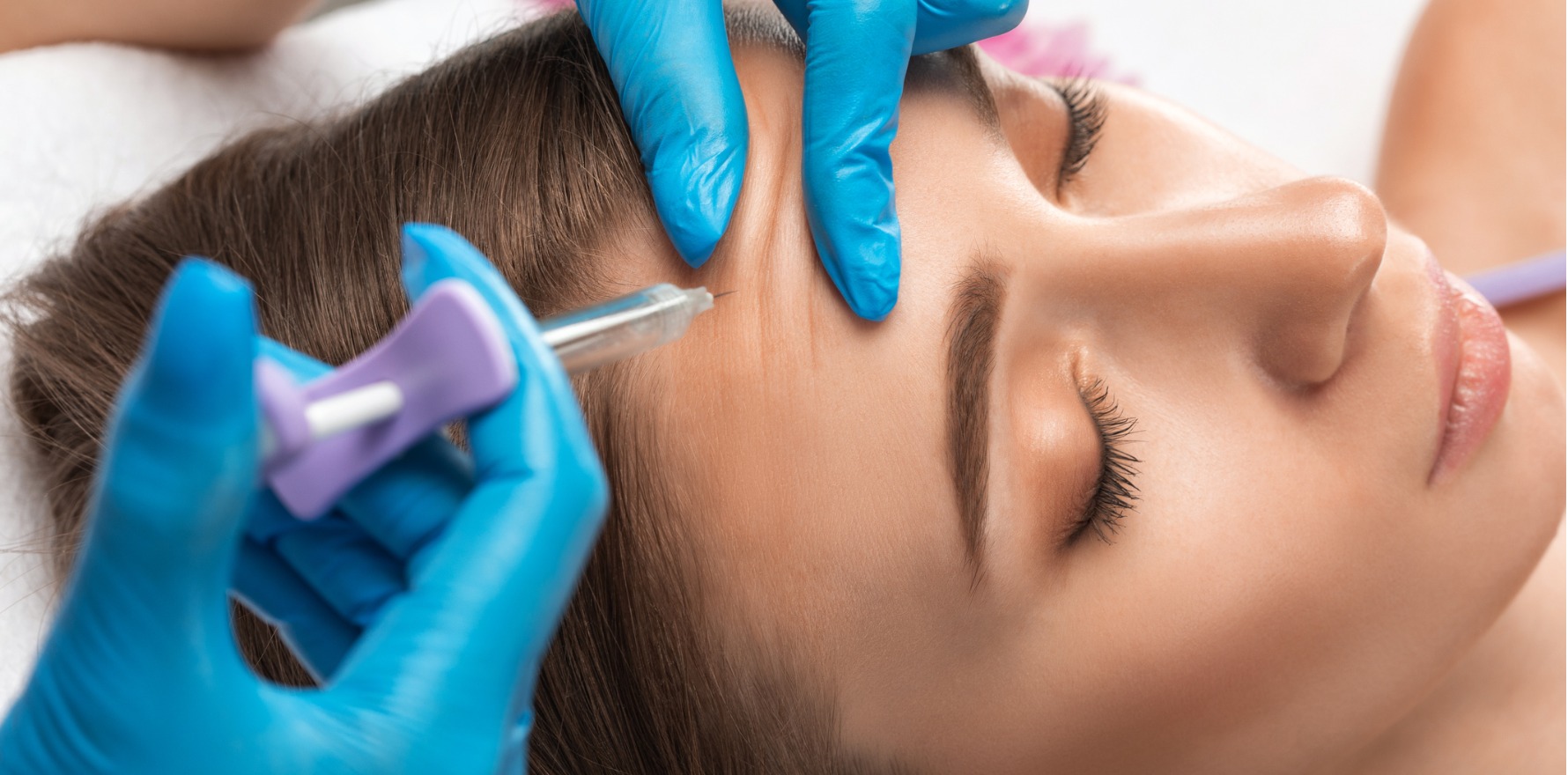
Respondents described a variety of treatments they had used to manage their sweating: prescribed topical aluminium chloride (61%), botulinum toxin injections (13%), oral anticholinergics (12%), iontophoresis (11), and microwave thermolysis (2%). However, 31% indicated that they had not previously been prescribed a treatment for their condition.
After accounting for a range of potential demographic predictors, only age (adjusted odds ratio and 95% confidence interval 0.97 per year increase, 0.96-0.98) and student status (1.89, 1.15-3.10) were found to be associated with hyperhidrosis.
There are several mechanisms that could explain the observed association between age and the presence of hyperhidrosis, according to the researchers.
“Primary hyperhidrosis typically begins during childhood or adolescence and may gradually improve with age; epidemiological studies have similarly demonstrated a higher prevalence among younger adults,” they wrote. “Older adults are also more likely to have secondary causes of hyperhidrosis.”
“Student status also emerged as a predictor which may reflect the unique social and psychological demands imposed on students and a higher propensity to notice and report symptoms as sweating can have a disproportionately high impact on these domains.”
The researchers felt the large sample size was a strength of the study but also acknowledged there were limitations to their cross-sectional design.
Self-reporting meant it was possible that responses could be affected by recall bias, as well as selection and responder bias. In addition, no diagnoses were confirmed through a clinical examination.
As a result, the researchers emphasised that the prevalence rate reported in the current study should be interpreted as an estimate rather than a definitive answer.
Despite these limitations, the researchers said that greater awareness of hyperhidrosis among healthcare professionals and the Australian population would lead to earlier recognition and appropriate referrals for treatment, which in turn could reduce the personal and societal burden associated with the condition.
