


An oncologist and paediatric infectious diseases specialist have been recognised by the Prime Minister for their achievements in research.
World-renowned oncologist Professor Georgina Long AO has been awarded the 2026 Prime Minister’s Prize for Science.
Professor Long received the award on the back of her groundbreaking research that resulted in the development of the first highly effective drug therapies for melanoma – transforming skin cancer treatment and international guidelines in the process.
As reported by Dermatology Republic last month, Professor Long led the phase 3 INTerpath-001 trial that showed combining the personalised, investigational mRNA vaccine intsimeran with pembrolizumab reduced the risk of recurrence or death in high-risk melanoma patients by 42% compared to pembrolizumab alone.
“These findings are a foundational shift in our approach to cancer: harnessing the immune system in a more personalised way to reduce the risk of melanoma recurrence or death,” Professor Long said at the time.
“This has not been achieved before in the history of cancer drug development. It is the coming together of technology, our biological understanding of cancer and the immune system, and the courage to take this idea into the clinic.”
The medical director of the Melanoma Institute Australia described receiving the prize as “an honour and very humbling”.
“What I love about the Prime Minister’s Prizes for Science is the real focus on science. And that’s my passion. The thing about science is it underpins everything we do. It’s everywhere. We can see it in all our technology, our cars, our clothes, the phones we use. And recognising that and how ubiquitous it is and how important it is,” the chair of melanoma medical oncology and translational research at MIA and the Royal North Shore Hospital told the ABC.
“And then thinking about my own work in cancer and melanoma, how science delivers every single time. Science never pretends to know the answers though. Sometimes you find them though, and that’s the extraordinary bit about it… We as everyday Australians probably take for granted all the work that scientists are doing.”
Professor Long shared the Prime Minister’s Prize for Science with Professor Anthony Thomas AC, a world-leading subatomic theorist whose work has changed the way we understand matter, antimatter, dark matter, and neutron stars.
But Professor Long wasn’t the only award winner from the dermatology sector.
Related
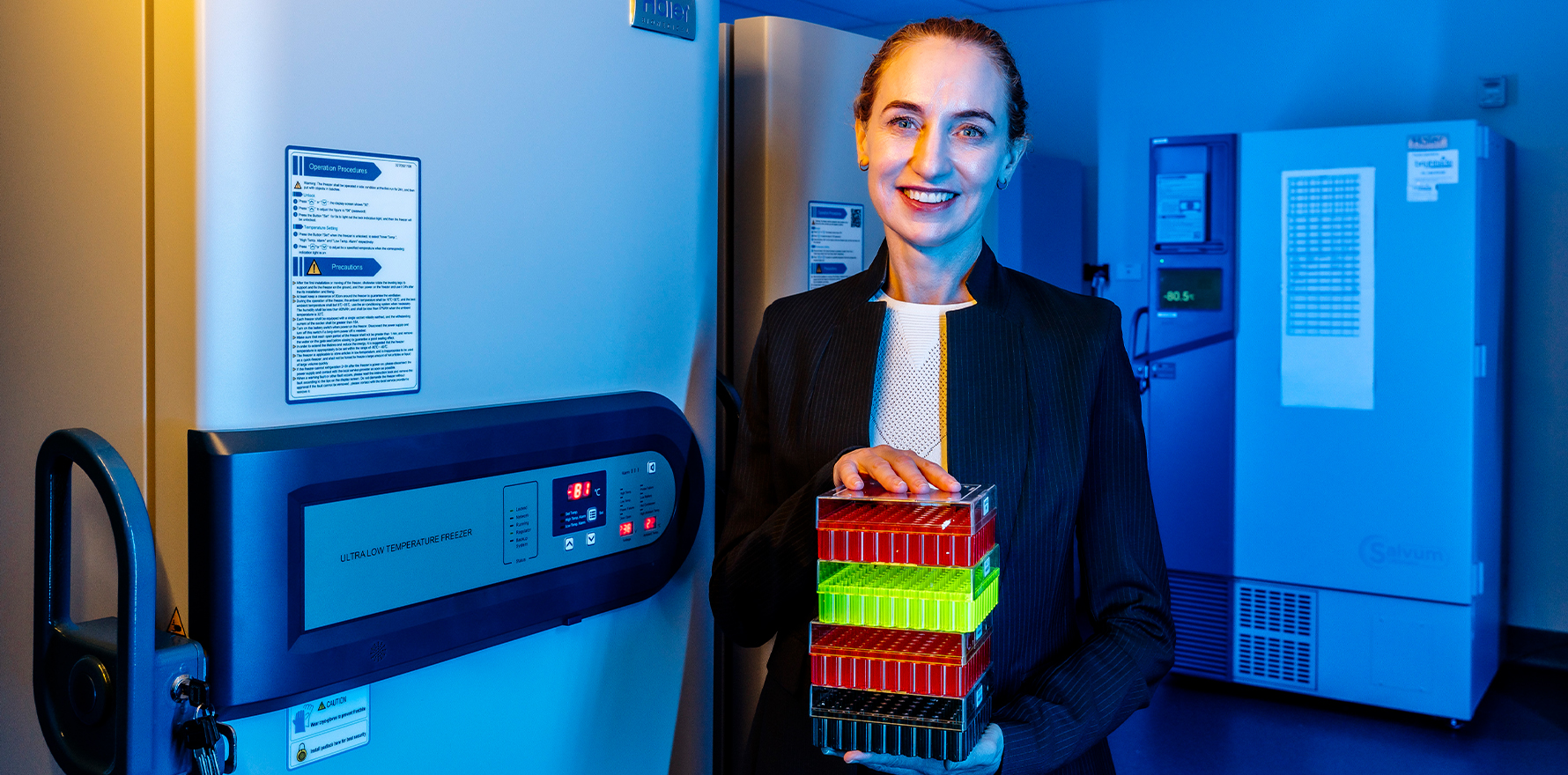

Professor Asha Bowen OAM, a paediatric infectious diseases specialist from The Kids Research Institute Australia, Perth Children’s Hospital, and the University of Western Australia, received the Frank Fenner Prize for Life Scientist of the Year.
Professor Bowen’s research has prioritised forming partnerships with Aboriginal communities to improve the prevention and treatment of skin infections in Aboriginal children.
The See, Treat, Prevent (Stops) trial, led by Professor Bowen, saw Aboriginal children across nine remote Kimberly communities treated with a simple oral antibiotic experience a 50% reduction in skin infections.
“Working in remote communities has really enhanced the cultural knowledge that I bring to my clinical care,” said Professor Bowen.
“It’s been a real privilege to take that from remote Australia all the way to the global stage as the first female president of the World Society of Paediatric Infectious Diseases.”
As part of his speech, Prime Minister Anthony Albanese told attendees that their contributions to science laid the foundation for what makes Australia who we are as a nation and sets the country up for future success.
“Australian science matters. The people who teach it and who expand its vision and ambition matter,” he said.
“Each of you, together, add to our tradition of excellence. And pave a path to a brighter, smarter Australia.
“That is worth celebrating – and on behalf of the Australian Government, I thank you for it. Because every day, you make our nation, the best country on earth, very proud indeed.”
Read more about the recipients of the 2026 Prime Minister’s Prizes for Science here.
