

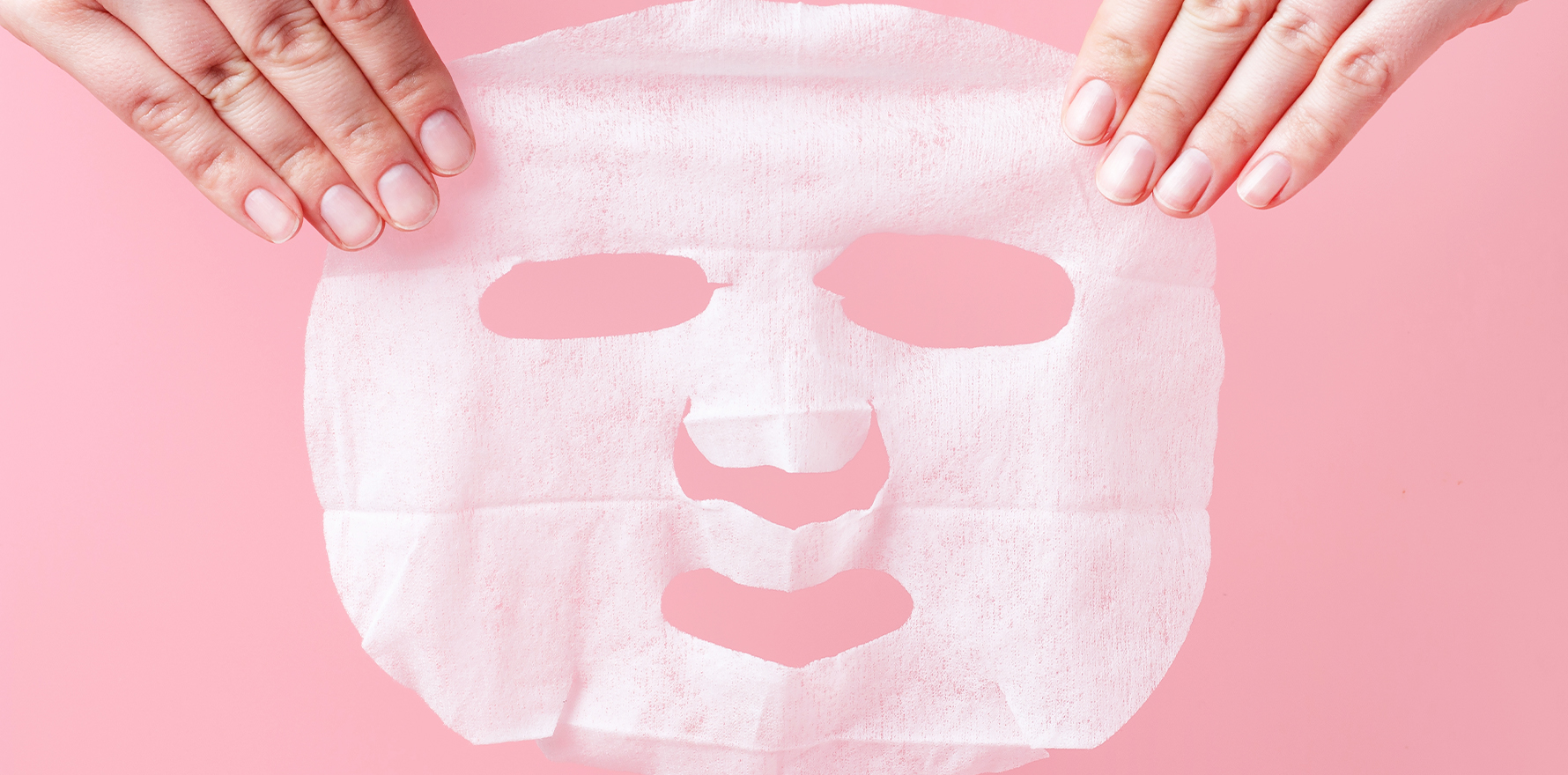
Almost 95% of popular Korean skincare TikTok videos contain misleading claims, while a separate study has linked social media-inspired routines to dermatitis, acne flares, and chemical burns.
Viral Korean skincare routines are putting users at risk of skin damage, with new research finding that almost 95% of popular TikTok videos contain potentially misleading claims and virtually none provide adequate safety advice.
The findings, presented at the European Academy of Dermatology and Venereology (EADV) Congress 2026 in Vienna, have raised concerns about the growing influence of non-medical content creators on skincare practices.
Researchers analysed 38 popular TikTok videos promoting Korean skincare and the so-called “glass skin” trend, which promises a clear, smooth, and deeply hydrated complexion.
They found that 84% failed to account for different skin types, 45% promoted excessive combinations of active ingredients without appropriate safety guidance, and 32% promised instant results.
Despite the potential for adverse reactions, only one video mentioned irritation risk, two addressed sun protection, and none discussed contact dermatitis or recommended consulting a dermatologist.
All 38 videos were rated unreliable or less reliable using established quality assessment tools, and none cited an external source or reference.
Almost 82% were produced by non-physician influencers, 11% by beauty brands, and 8% by other beauty content creators. None were produced by dermatologists.
Lead author Dr Maria Lucia Paysano, a dermatology resident in Brazil, said the lack of basic safety information was particularly concerning.
“What surprised us most was how consistently basic safety information was absent,” she said. “Our findings show a clear gap between the popularity of this content and the quality of the information provided.”
“Following these routines without individualised guidance may contribute to irritation, over-exfoliation, acne flares or skin barrier disruption, particularly when multiple active ingredients are combined.”
The findings were reinforced by a separate observational study presented at the congress, involving 94 patients who developed new or worsening skin conditions after using cosmetic or dermatological products promoted on social media.
Chemical exfoliants containing alpha-hydroxy acids or beta-hydroxy acids were the most frequently implicated products, accounting for 34% of cases. Over-the-counter retinoids were implicated in 27%, followed by vitamin C serums (14%), and niacinamide-containing products (11%).
Almost half of the patients (48%) had adopted complete skincare routines inspired directly by social media, while 63% were using more than three active skincare ingredients simultaneously.
Irritant contact dermatitis was the most common complication, affecting 42% of patients, followed by new or significantly worsening acne in 28%. Other reactions included rosacea flares or rosacea-like dermatitis (12%), post-inflammatory hyperpigmentation (11%), and superficial chemical burns (7%).
Lead author Dr Ouissal Hormi, a dermatology resident at Mohammed VI University Hospital in Morocco, said the findings highlighted the dangers of combining multiple active ingredients without professional advice.
“What was particularly striking was not simply the popularity of these products, but the way they were being used,” she said. “Many patients were reproducing complex skincare routines involving several active ingredients simultaneously, often based on advice from non-medical influencers.”
Dr Hormi said overlapping irritant effects could place excessive stress on the skin barrier.
“Our message is simple: ‘Viral’ does not necessarily mean safe, validated, or suitable for everyone.”
Related


The researchers emphasised that Korean skincare itself was not inherently problematic, with practices such as gentle cleansing, hydration, and barrier care forming part of established skincare principles.
Rather, they warned that these principles were being repackaged into complex, one-size-fits-all routines that failed to account for individual skin conditions, tolerability, or the risks of combining active ingredients.
Dr Paysano said dermatologists had an opportunity to counter misinformation by engaging more actively with social media audiences.
“Consumers should be cautious of content promising instant or universal results,” she said. “Anyone with an existing skin condition who develops irritation or is unsure whether a routine is appropriate for them should seek advice from a dermatologist.”
She said dermatologists should not dismiss social media skincare trends outright.
“Rather than dismissing social media trends, we have the opportunity to participate in these conversations and make evidence-based skincare information accurate, accessible and engaging,” Dr Paysano said.
The researchers acknowledged that the TikTok analysis was limited to 38 videos, while the separate observational study could not establish the broader incidence of complications among social media skincare users.
Both studies were presented at the EADV Congress 2026 and the findings should be considered preliminary pending full peer-reviewed publication.
The EADV Congress was held in Vienna, Austria, and online from 30 September to 3 October.
