

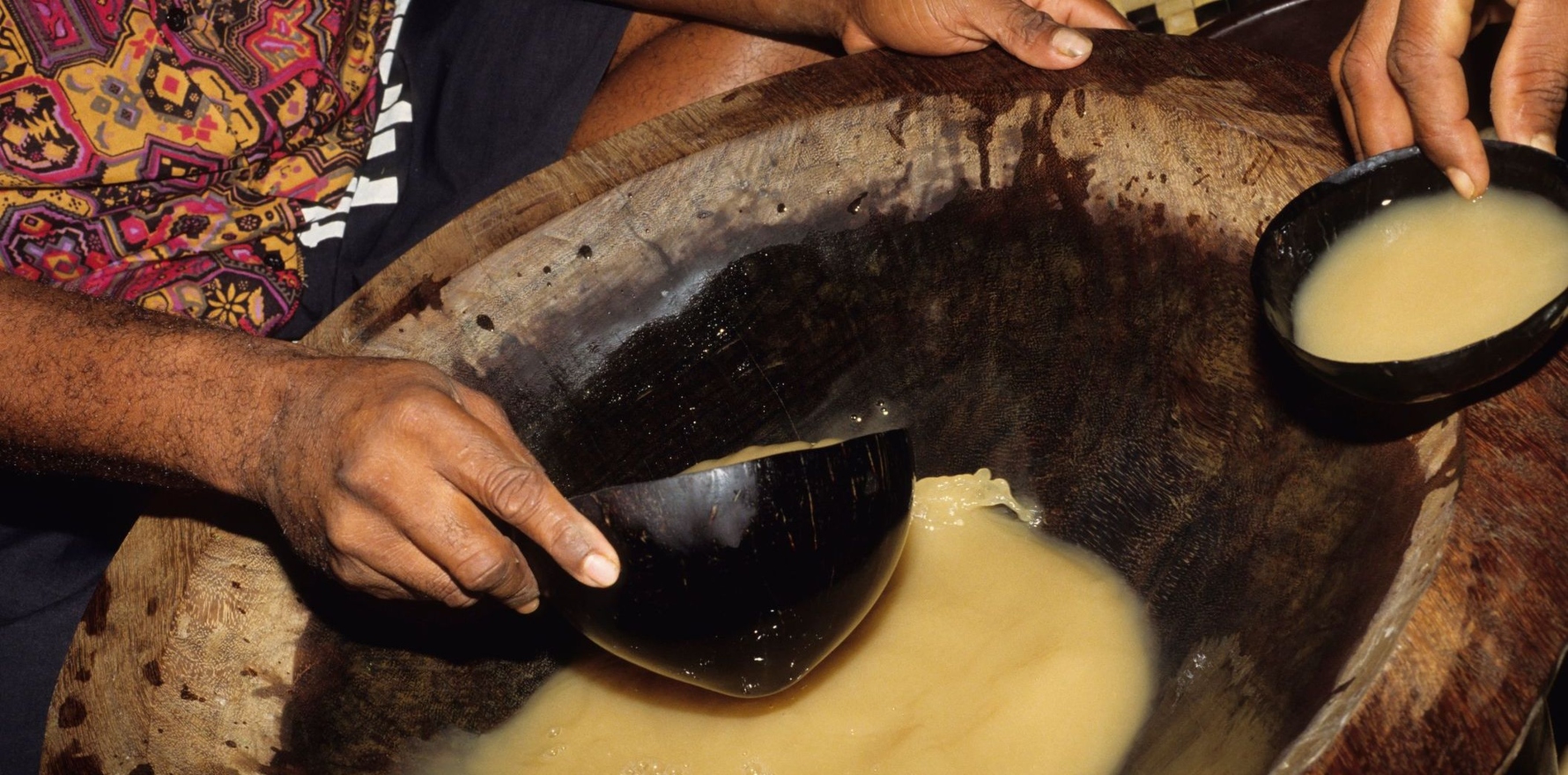
A team of Adelaide-based clinicians has highlighted the clinical presentation and histopathology of the toxic response to the traditional beverage.
A lack of guidelines for the diagnosis and management of acute kava toxicity could put Australians at risk, experts have said.
Kava has been used by Pacific communities for ceremonial and anxiolytic purposes for more than 1000 years. The beverage was first introduced to Australia in the 1980s. The importation of kava was restricted in 2007 after concerns of hepatotoxicity emerged, but these restrictions were lifted in December 2021.
However, since commercial kava products were reintroduced to Australia, there have been multiple reports of acute kava toxicity among users.
One such example comes from a South Australian case series of patients displaying a distinct cutaneous morphology, which was recently published in the Australasian Journal of Dermatology.
The three patients described in the case series – a 35-year-old-man, a 59-year-old man, and a 34-year-old woman – all presented to hospital with acute pruritic eruptions affecting the face, chest, and proximal upper limbs approximately one month after starting to consume kava three times per day.
There were no ichthyotic features or palmoplantar changes, but patients displayed a folliculo-centric inflammatory infiltrate with neutrophilic sebaceous adenitis as well as non-specific urticarial features on skin biopsy.
The two male patients displayed increased eosinophil counts (0.74 and 0.84) and C-reactive protein levels (106.4 and 13.5), while the female patient showed increasing liver dysfunction (alkaline phosphatase 79, gamma-glutamyl transferase 319, aspartate aminotransferase 61, and alanine aminotransferase 160) over the course of her admission.
Importantly, but unsurprisingly, kava cessation was key to the resolution of symptoms. The rashes and other symptoms resolved within seven to 14 days of ceasing kava, although two patients were also treated with oral prednisolone and topical corticosteroids.
Related


The exact mechanism underlying acute kava toxicity remained unclear, the researchers said.
“A proposed explanation is accumulation of lipophilic kavapyrones within sebaceous glands with a resulting lymphocytic attack, leading to the characteristic sebotropic eruption,” they wrote.
“Commercial preparations produced by micronisation of the kava root, rather than aqueous extraction, may result in a higher concentration of ingested lipophilic kavapyrones, possibly explaining the observed cutaneous reaction.”
The researchers concluded by stating that acute kava toxicity could pose a serious risk to the Australian population.
“There are no guidelines for the diagnosis and management of acute kava toxicity… [Therefore,] it is integral for dermatologists to be familiar with this rare but distinct and curable presentation,” they wrote.
“Clinicians should enquire specifically about kava use in patients presenting with an acute urticarial eruption in a sebotropic distribution.”
