


A trio of Australian specialists have described the variable morphology of male genital and anogenital mpox.
Dermatologists should consider the possibility of mpox in at-risk male patients with pustular, ulcerated, or exudative lesions on the penis or perianal region.
That’s according to recent research from a group of Canberra-based dermatologists and sexual health specialists, who have described the male genital and anogenital manifestations of mpox in an urban cohort.
“This Australian case series demonstrates that mpox should be considered an important cause of male genital and anogenital disease,” the researchers said.
“The clinical spectrum included penile lesions, rectal symptoms, proctitis, localised oedema, inguinal lymphadenopathy, solitary lesions, multiple lesions and positive rectal testing in the absence of visible external lesions.”
The findings were published in Clinical and Experimental Dermatology.
Fifty male patients (mean age 38.6 years) who presented to local health services in the Australian Capital Territory between July 2023 and October 2025 were included in the retrospective review.
All patients were assigned male at birth, identified as male, were men who had sex with men, and tested positive for mpox on nucleic acid amplification testing. Five patients had an underlying immunodeficiency, but none were receiving immunosuppressive therapy at the time of investigation.
Twenty-nine men had received two doses of the JYNNEOS mpox vaccination, with a further seven receiving one dose. Nine men were unvaccinated against mpox, while vaccination status was unknown in the remaining five patients.
The most common site of confirmed infection was the anogenital region, based on 81 positive swabs taken from the 50 men.
Penile swabs were positive in 25 of the 50 patients (50%), while rectal swabs were positive in 14 men (28%). Other sites returning positive mpox swabs included the perianal region, buttocks, mons pubis, and the head and neck.
Ten men had concurrent sexually transmitted infection at the time of presentation, with the researchers saying that these cases “demonstrate that the identification of a common sexually transmitted infection does not necessarily exclude mpox, particularly in men with compatible genital lesions or recent sexual exposure”.
There was localised swelling of the penis, perianal region, and/or mons pubis recorded in 14 patients, while lymphadenopathy was documented in 26 patients (most commonly in the inguinal or cervical regions). Half of the patients with lymphadenopathy described it as tender and two as non-tender; tenderness was unspecified in the remaining 11.
Clinicians commonly described the visible lesions as pustules or pseudopustules (68% of patients) and ulcers (21%). Crusts, papules, vesicles, erosions were also present, while certain lesions were described as moist, draining, exudative, or oozing.
“Although routine documentation did not always link morphology to a precise anatomical site, these descriptors reflect the spectrum likely to be encountered in male genital and anogenital assessment,” the researchers noted.
Systemic symptoms were rare in the current cohort. Eighteen men reported no systemic symptoms and a further 18 only reported subjective fever. Myalgia (15 patients) and malaise (12 patients) were also recorded.
Many of the patients recovered with supportive care such as rest and simple analgesia, although five patients required hospital admission following male genital and anogenital complications.
Two patients (both of whom were immunocompromised and unvaccinated) were admitted with sepsis related to mpox proctitis and concurrent sexually transmitted infection, one patient was admitted following severe proctitis-related pain, and two patients were admitted with penile complications.
No patients received mpox post-exposure prophylaxis as they either presented with a suspected active infection or did not have any known contact with a confirmed case of mpox.
Related
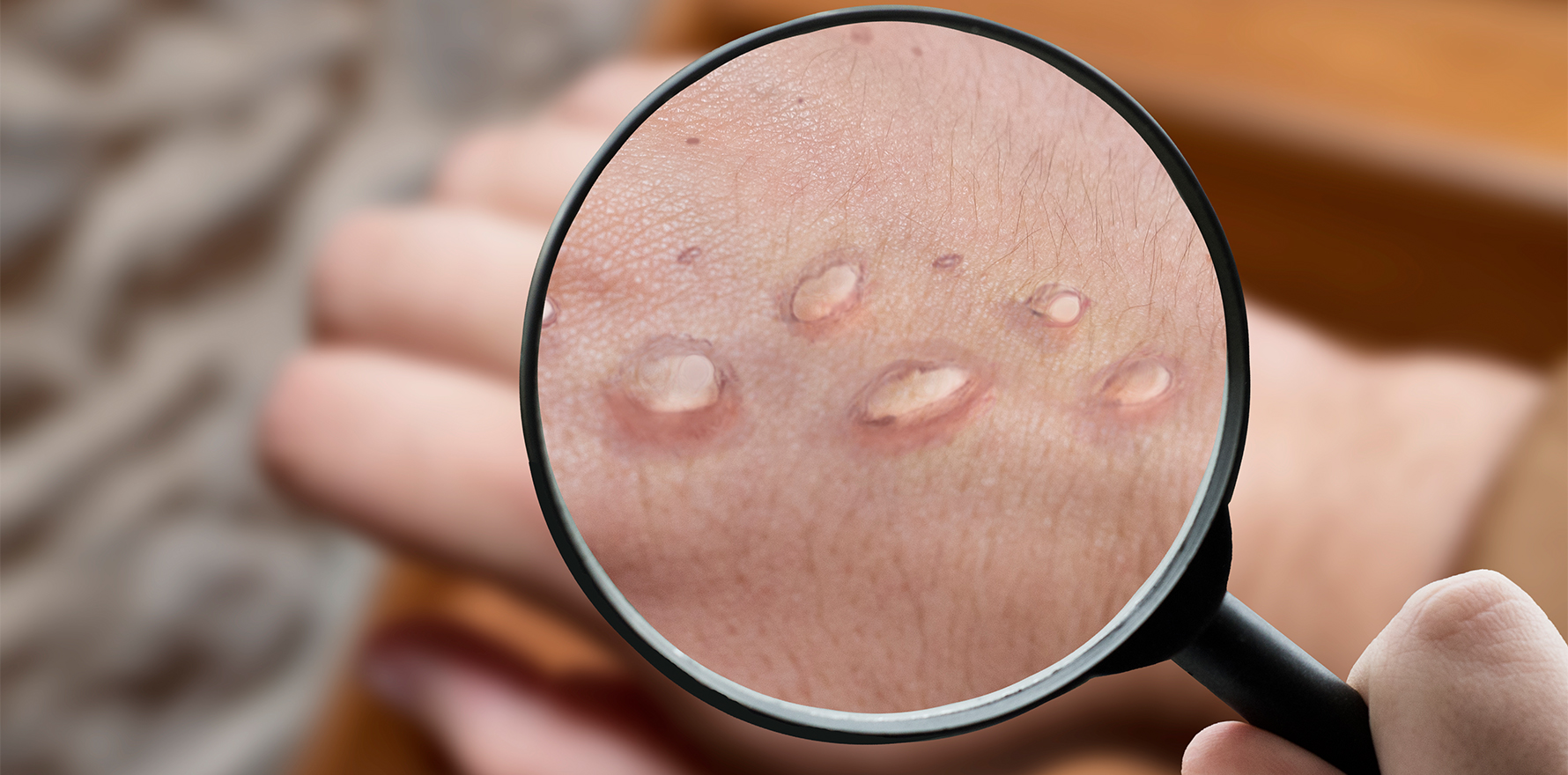


Researchers acknowledged that making a diagnosis of mpox was complicated by the fact it could resemble more common conditions.
“A pustular or ulcerated penile lesion may be treated as HSV or primary syphilis; a small papule may resemble molluscum contagiosum or folliculitis; and a persistent ulcer may raise concern for penile intraepithelial neoplasia or malignancy,” they said.
However, they stressed that male genital dermatology services should keep mpox in mind when treating men with acute penile, perianal, or rectal symptoms – especially when lesions are pustular, ulcerated, crusted, erosive, exudative, or associated with local swelling or lymphadenopathy.
“Mpox should remain in the differential diagnosis even when systemic symptoms are absent, when lesions are few in number, or when another sexually transmitted infection is suspected or confirmed,” they wrote, before recommending that all assessments of potential mpox patients should include a careful examination of the penis, pubic region, and perianal skin.
“Clinicians should ask about recent sexual contact, partners, known exposure to mpox, attendance at sex-on-premises venues and recent travel, while using direct but non-stigmatising language.
“This is important not only for diagnosis, but also for patient engagement, partner notification, public health advice and safe follow-up.”
The current case series was limited by its retrospective design, the variable and incomplete nature of routine clinical documentation, and the fact that morphological features were commonly inferred from written clinical descriptions rather than from standardised photography.
In addition, the findings may not translate to men outside the local health services where the study was performed.
