

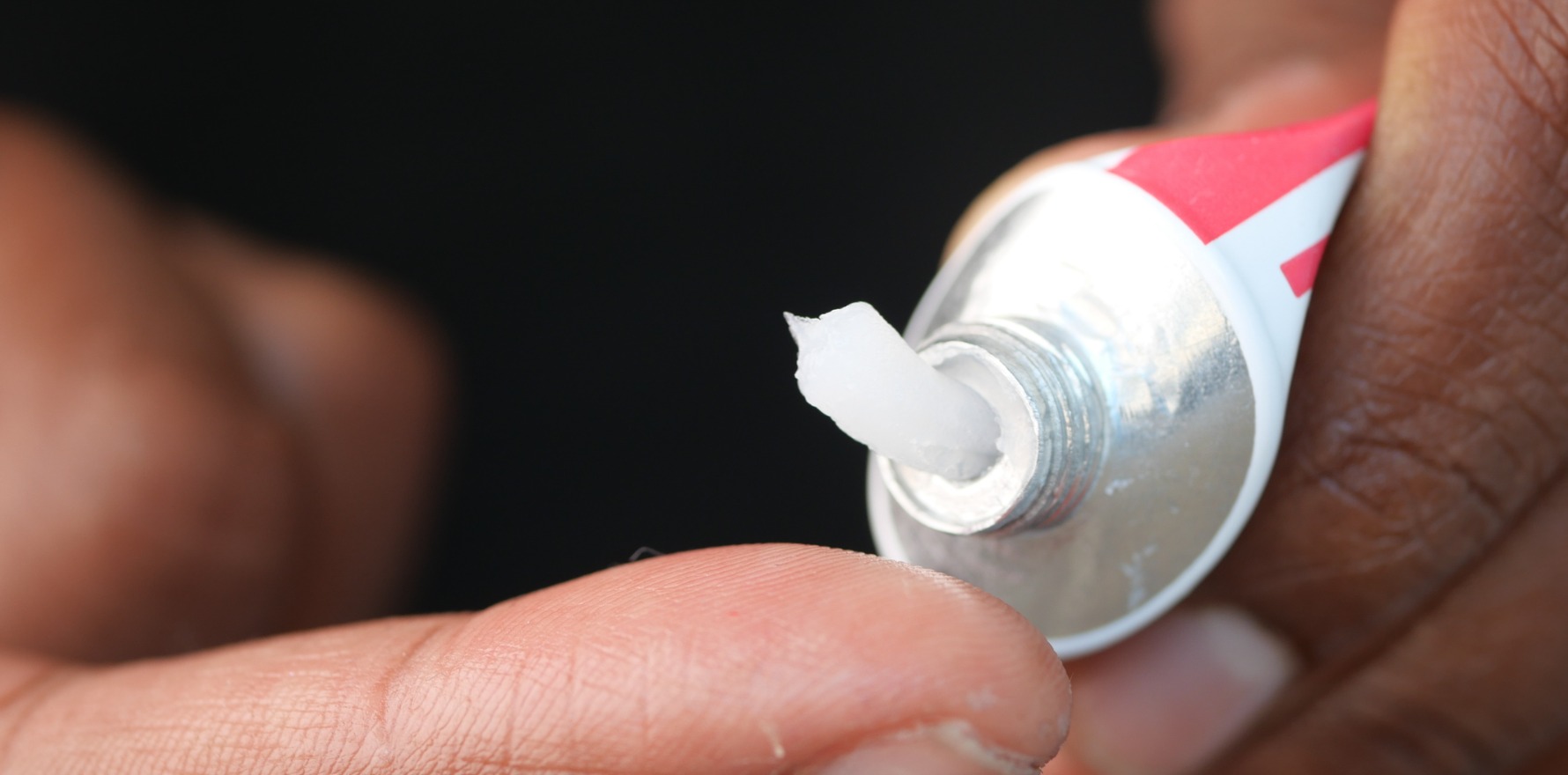
A comparison of prophylactic agents found which were most effective overall, which were best for avoiding severe HFS and which could increase the risk of developing it.
Diclofenac has been identified as the best-supported preventive option for hand-foot syndrome, a common and sometimes treatment-limiting side effect in patients receiving capecitabine for gastrointestinal and breast cancers.
Capecitabine, a widely used agent in gastrointestinal and breast malignant neoplasms, has been associated with a particularly high incidence of HFS, affecting up to 50% of patients.
While it is not life-threatening, it has the potential to compromise the efficacy of treatment.
An Indian research team set out to compare the different prophylactic agents used to prevent HFS, performing a meta-analysis of 17 phase 2 or 3 randomised controlled trials. The analysis included 2192 patients with a median age of 57 years, and both topical and systemic medications.
Related


Compared with placebo, several interventions significantly reduced the risk of grade 2 or higher HFS. Topical silymarin had the strongest effect, with a 92% reduction in odds (OR 0.08), followed by diclofenac (OR 0.23), pyridoxine 400mg (OR 0.28) and celecoxib (OR 0.41).
For overall HFS incidence, diclofenac took the lead with a 70% reduction (OR 0.30), followed by celecoxib (OR 0.46). Silymarin and pyridoxine had no significant effect, while mapisal appeared to significantly increase the risk of HFS (OR 3.04).
Silymarin and diclofenac had the highest surface under the cumulative ranking curve (SUCRA) value, at 0.91 and 0.76 respectively.
Overall, diclofenac was the prophylactic agent with the best supporting evidence for the prevention of HFS in patients with cancer, the researchers concluded.
HFS is categorised within the spectrum of toxic erythema of chemotherapy and is also known as palmarplantar erythrodysesthesia, acral erythema and Burgdorf reaction. It’s characterised by oedema, erythema and dysesthesia of the palms and soles, and can cause tingling, numbness, desquamation, blistering and ulceration.
